Humanitarian Demining
Humanitarian Demining in Ukraine: Current Situation and the Path Ahead
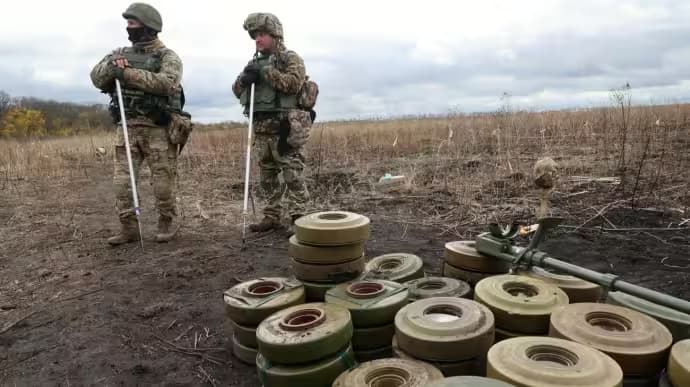
The ongoing war in Ukraine has left the nation facing one of the most pressing humanitarian crises in modern times — the widespread contamination of landmines and unexploded ordnance (UXO). With approximately 174,000 square kilometres — 23% of its territory — considered hazardous, Ukraine has become the most heavily mined country in the world. These threats jeopardise civilian safety, hinder agricultural development, and obstruct post-conflict recovery. This overview examines the current situation, international efforts, and the state-of-the-art methods used in demining — with a focus on unmanned aerial vehicles, ground robots, and advanced detection technologies.
- 23%
- 425,000 ha
- $182M+
- 20% faster
Scope of the threat
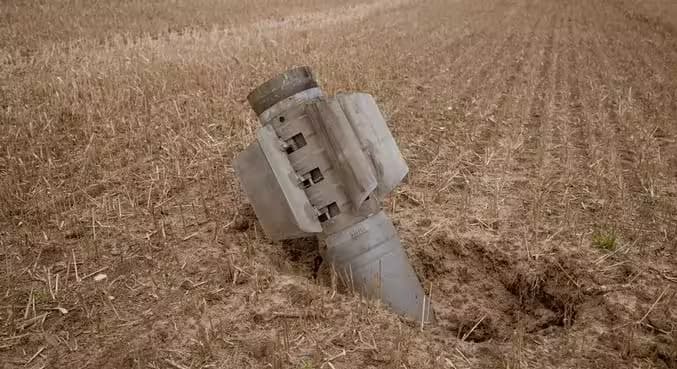
Landmine contamination in Ukraine spans urban areas, agricultural fields, forests, and watercourses. These mines pose a daily threat to civilians, particularly in regions recently liberated from occupation. Beyond the direct risk to life, they severely restrict mobility, disrupt access to essential services, and impede reconstruction.
The agricultural sector has been hit particularly hard. Approximately 425,000 hectares of farmland are currently contaminated, endangering farmers and reducing the availability of arable land. The environmental toll is extensive, with entire ecosystems compromised by the explosive remnants of war.

International contributions and collaboration
Efforts to mitigate this crisis have drawn significant international support. The United States has allocated over $182 million to humanitarian demining since February 2022, including advanced equipment and training programmes. Other nations — among them Canada, Germany, and Japan — have contributed funding, expertise, and technical resources.
Organisations such as the HALO Trust and the Geneva International Centre for Humanitarian Demining (GICHD) are working on the ground, using both manual and mechanical methods to clear mines. Their work is complemented by local demining teams and volunteers undergoing rigorous training to ensure safe and effective operations.
The path forward
Humanitarian demining in Ukraine is an urgent and complex undertaking. Integrating modern technology with robust international support is paving the way for a safer, more stable future. While challenges persist, the commitment of governments, organisations, and individuals offers hope for a nation free from the shadow of landmines.
VERSUS — an integrated demining complex
That is why we at INOX Composites are developing VERSUS — a demining complex that represents a groundbreaking advance in humanitarian demining, combining a VTOL (vertical take-off and landing) drone with a ground-based unmanned platform. Designed for large-scale mine detection across diverse terrain, VERSUS delivers a highly efficient, integrated solution.
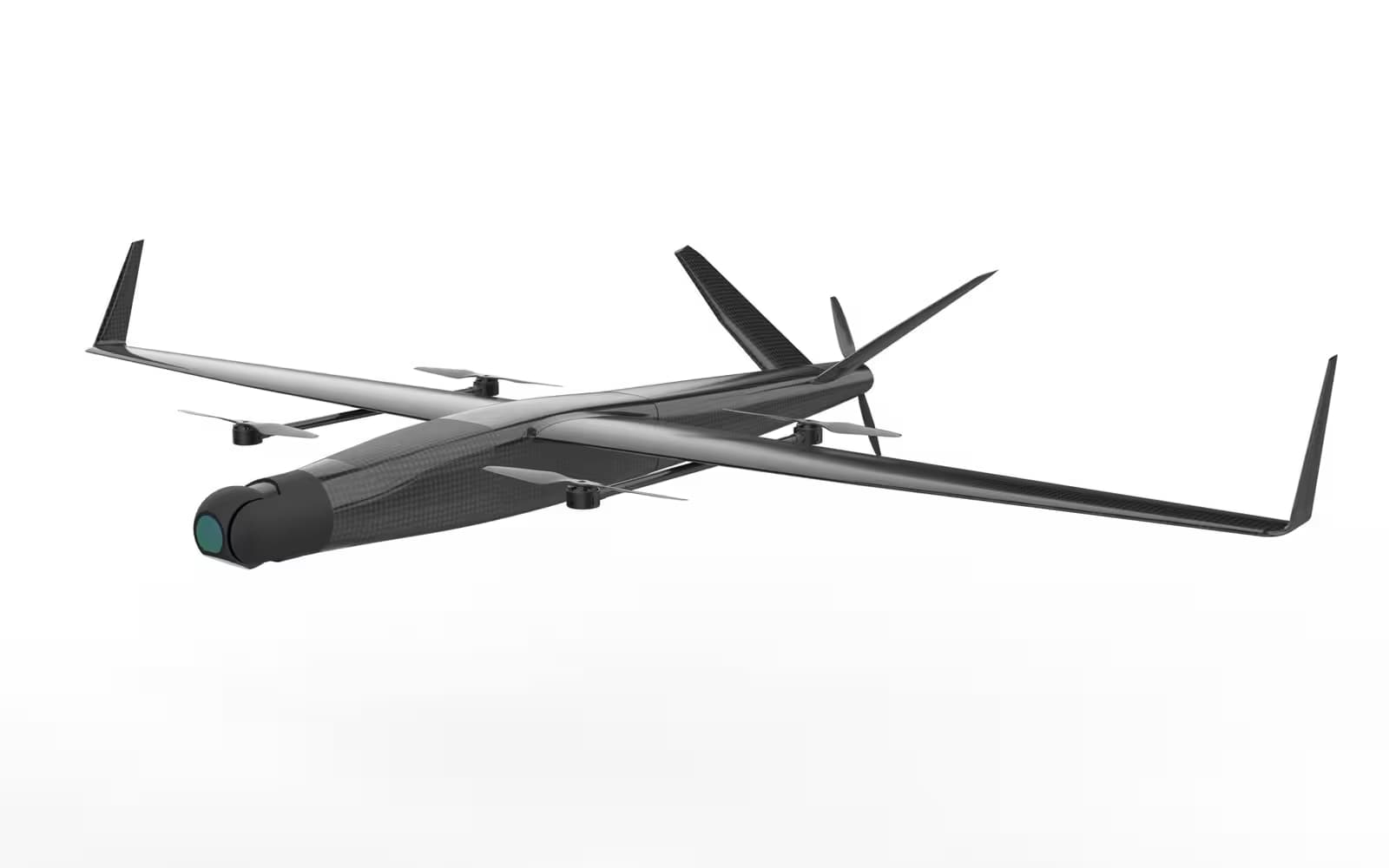
VTOL drone “VERSUS”
The VTOL drone is a high-performance UAV equipped with cutting-edge sensors and advanced navigation. Powered by a petrol generator, it provides extended flight time and reliable energy output for demanding missions.
Key features & specifications
- Payload: up to 15 kg of advanced sensor systems — ground-penetrating radar (GPR), high-resolution cameras, and infrared imaging.
- Flight duration: up to 6 hours per mission, thanks to the petrol-powered generator.
- Navigation: integrated GPS and AI-based path planning for autonomous operation over large, complex areas.
- Range: an operational radius of 20 km, covering vast contaminated zones.
- Weather resilience: built to withstand wind speeds up to 15 m/s and light rainfall.
Ground UAV
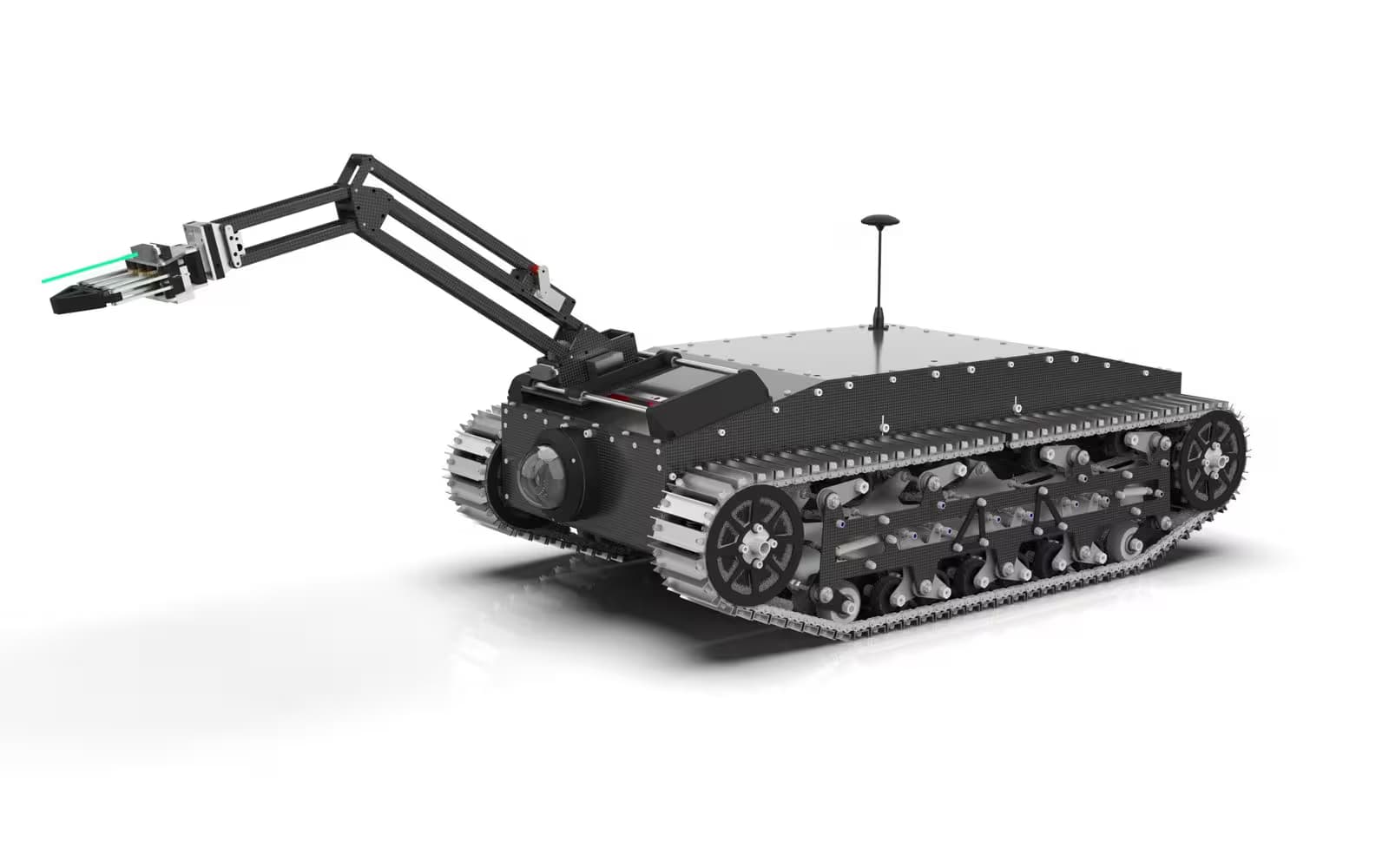
Complementing the VTOL drone, the ground UAV is a detailed inspection and demining platform. It operates autonomously or by remote control, using a suite of specialised sensors and tools to detect and neutralise mines.
Key features & specifications
- Sensor array: GPR, chemical explosive detectors, and advanced magnetometers to identify both metallic and non-metallic mines.
- Power source: a petrol generator enables uninterrupted operation for up to 12 hours.
- Robotic arm: a precision manipulator excavates and neutralises mines with minimal risk to operators.
- Solid-state laser: a focused laser beam concentrates energy on the mine’s explosive core, burning out its contents without triggering detonation — a non-invasive method of neutralisation.
- Safety advantage: operates remotely, minimising risk to operators and equipment.
- Versatility: effective against many types of explosives, including those with low metal content.
- Efficiency: reduces the need for physical removal or manual handling, accelerating clearance.
- Navigation: AI-driven obstacle avoidance and terrain mapping for seamless movement over uneven or hazardous ground.
- Chassis: rugged and all-terrain, with a top speed of 10 km/h and the ability to climb inclines up to 45°.
Hexacopter — deep mine-detection platform
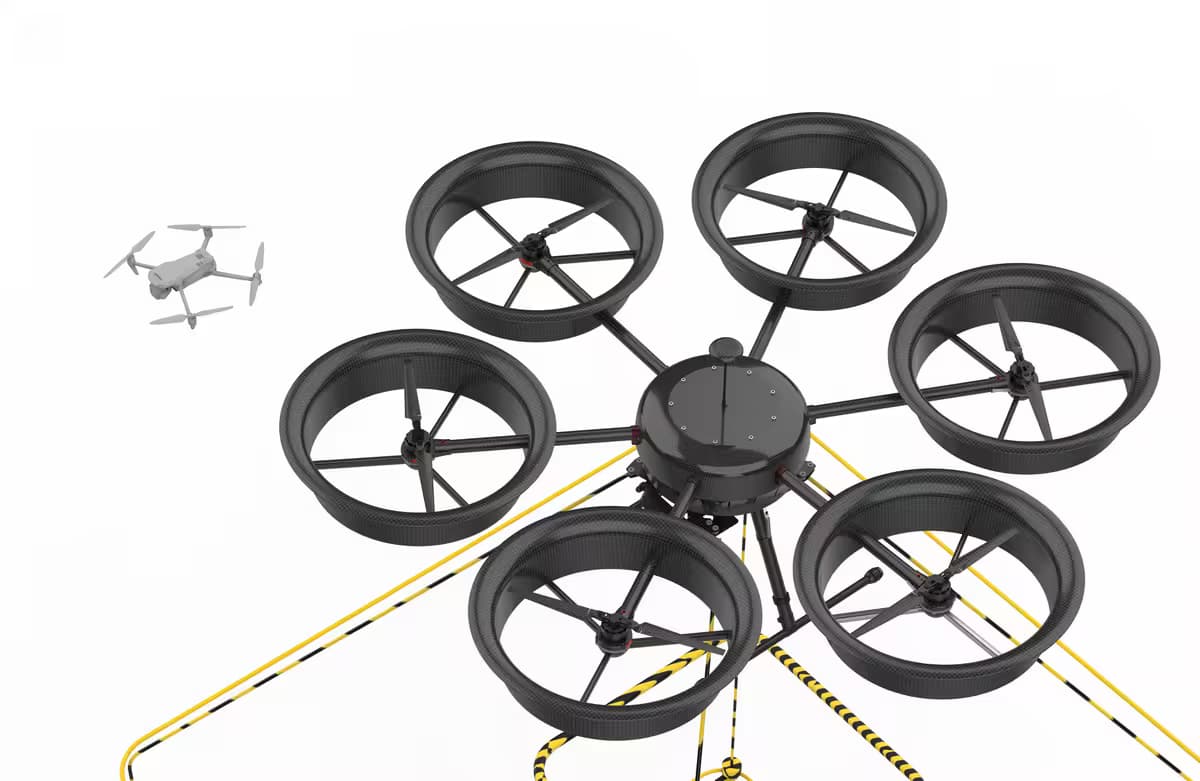
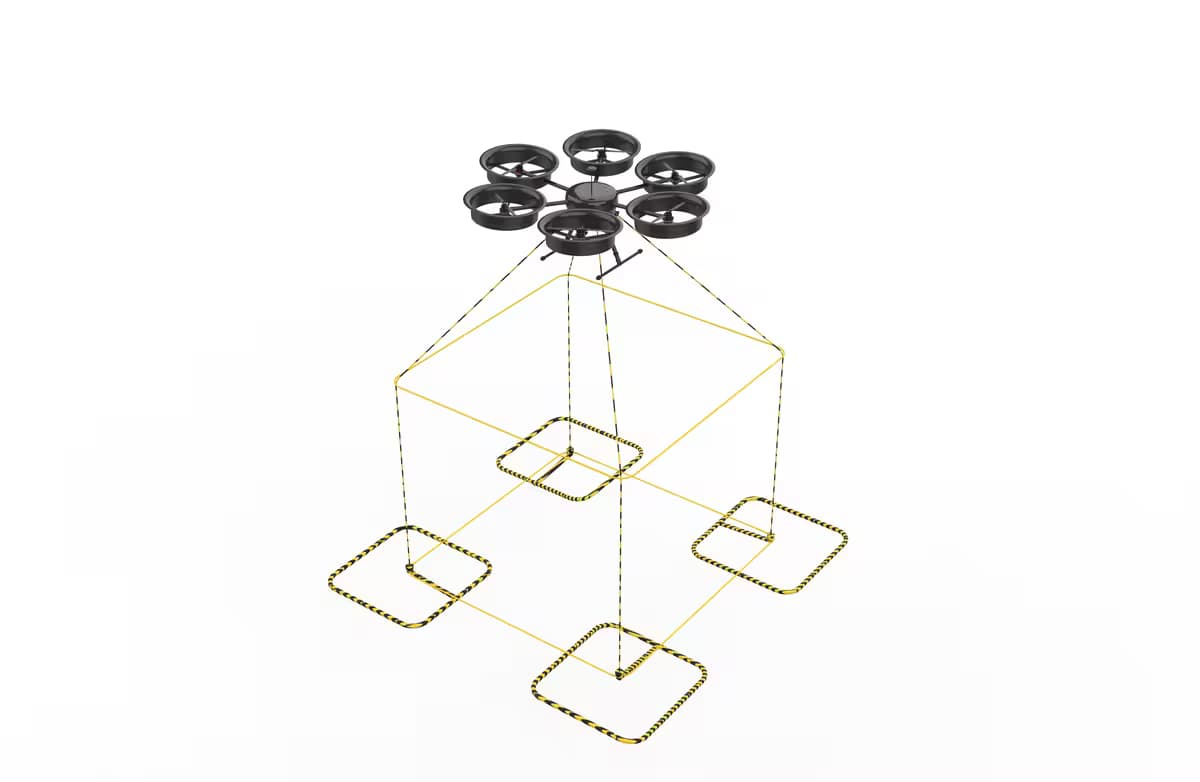
The hexacopter is a high-performance UAV designed for efficient deep-mine detection across challenging terrain, working in concert with the rest of the VERSUS complex.
Advanced detection
- Four deep mine-searching frames detect mines up to 2 m below ground.
- Supports GPR, high-resolution cameras, and advanced magnetometry.
Long endurance
- Petrol-generator powered, offering up to 5 hours of flight time.
- Low operational cost with reliable energy output.
Robust flight design
- 3,000 mm diameter for stability and heavy payload capacity.
- Operates in wind speeds up to 12 m/s and light rainfall.
- Operational radius of 20 km.
Navigation & integration
- GPS and AI-based autonomous navigation with obstacle avoidance.
- Integrates seamlessly with the VTOL drone and ground UAV for coordinated operations.
One coordinated system
VERSUS relies on real-time communication between the VTOL drone and the ground UAV, ensuring seamless coordination and data sharing. The aerial unit surveys and maps contaminated areas, while the ground unit focuses on precise detection and neutralisation.
Collaborative operation
The aerial and ground units work as one — the drone maps and surveys, the ground platform detects and neutralises.
Data integration
Shared data platforms enable real-time analysis and reporting, sharpening decisions and operational efficiency.
Efficiency
Together, the two UAVs clear an area up to 20% faster than traditional methods — cutting the time and cost of demining.
The VERSUS demining complex shows the potential of integrated technology to address the humanitarian challenge of landmines. Its innovative design and robust capabilities make it a vital tool in Ukraine’s ongoing effort to restore safety and stability to its land.