
INOX COMPOSITES
Shaping the future in carbon: precision engineering and innovative composite solutions for high-performance challenges
About Us
At Inox Composites, we combine deep expertise with cutting-edge innovation. Based in Kyiv, we design and manufacture high-tech composite solutions and complex metal structures. Our team manages every project from initial sketch to final installation, ensuring reliability that exceeds industry standards.
Learn More
Our Advantages
Technological Excellence
We utilize advanced equipment and proprietary R&D to achieve micron-level precision in every component we produce.
Extreme Durability
Our materials offer exceptional strength and corrosion resistance, maintaining performance in the harshest environments.
Global Standards
Our production is fully ISO-compliant, enabling us to partner with critical industrial sectors worldwide.
Our Products
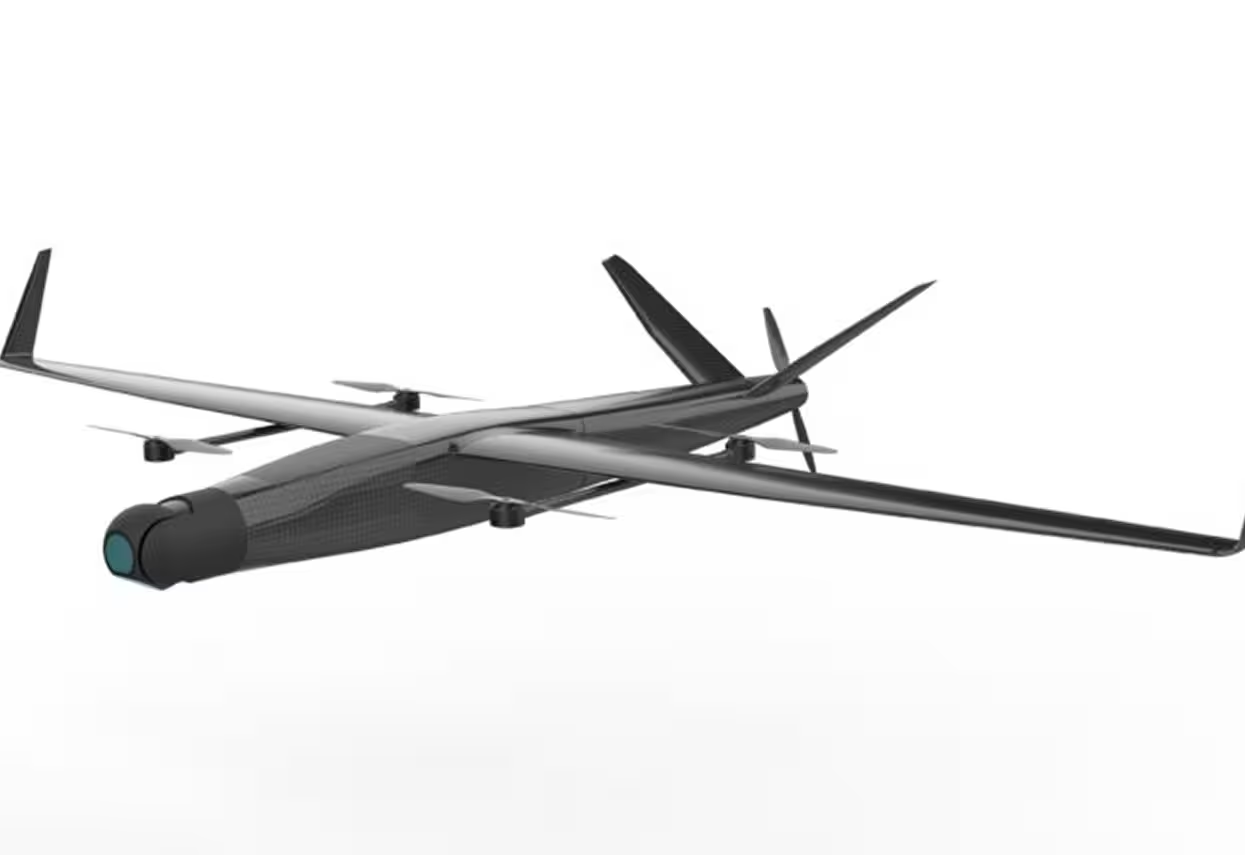
UAV «VERSUS»
High payload capacity
Extended flight endurance
Intelligent AI navigation
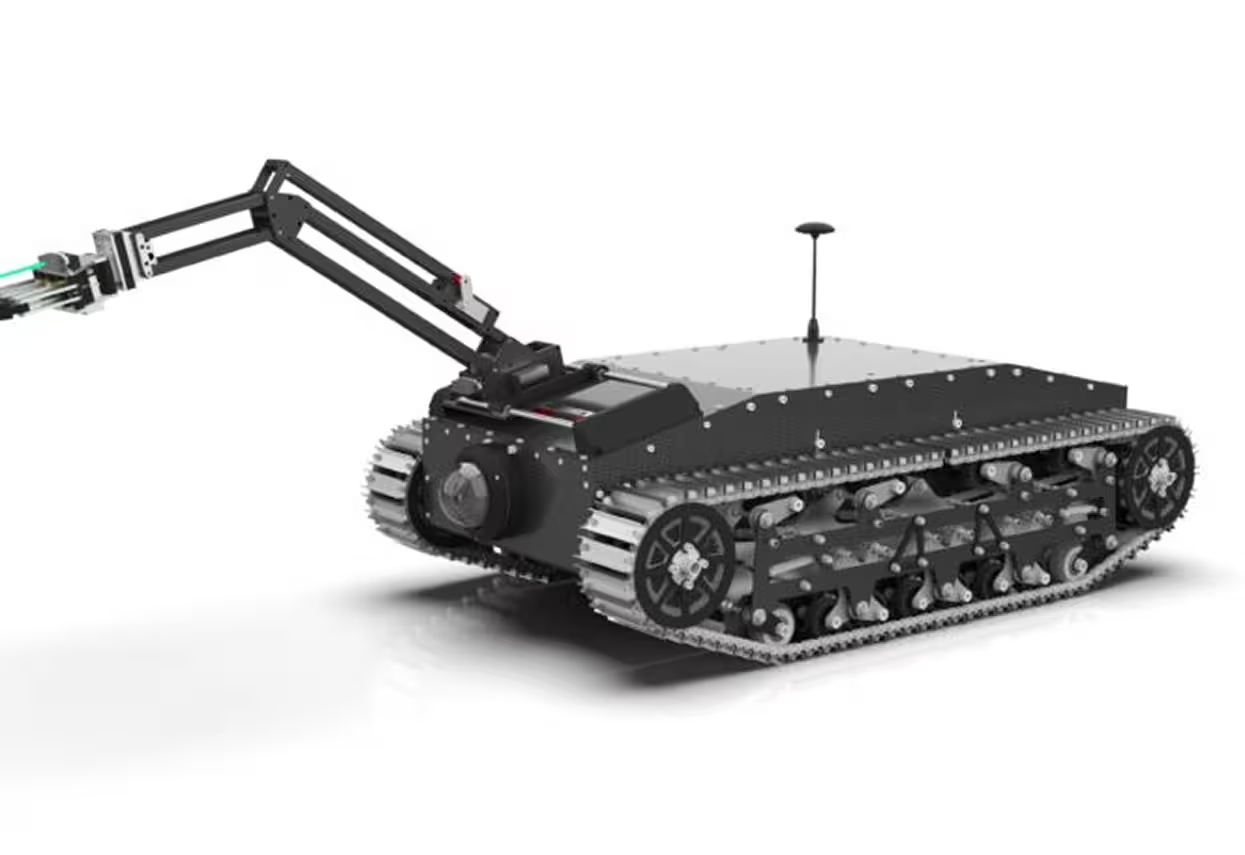
Ground Drone
Multi-sensor object detection
Laser neutralization system
Autonomous obstacle avoidance

Sporting Equipment
Uncompromising precision
Ultra-lightweight ergonomic design
Custom adaptation for athletes
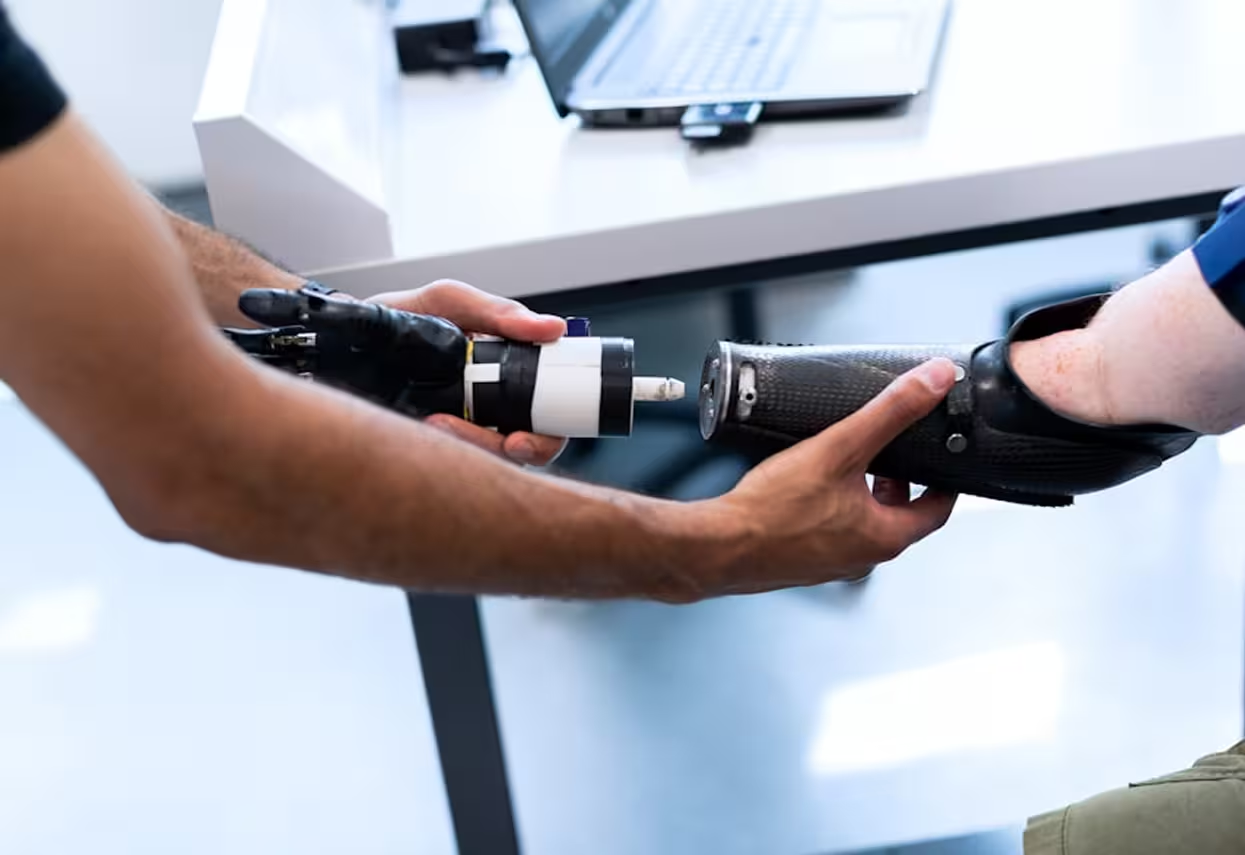
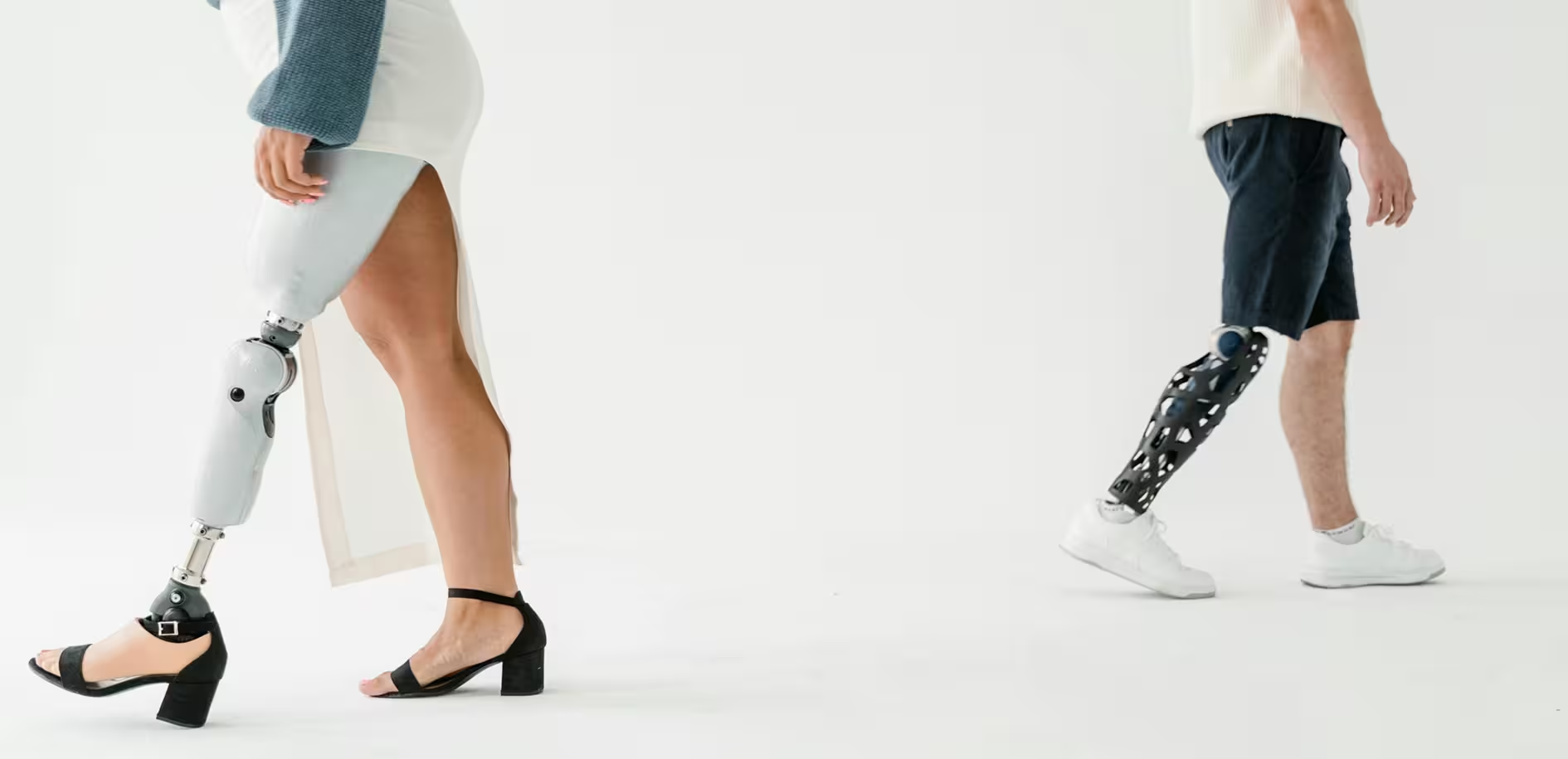
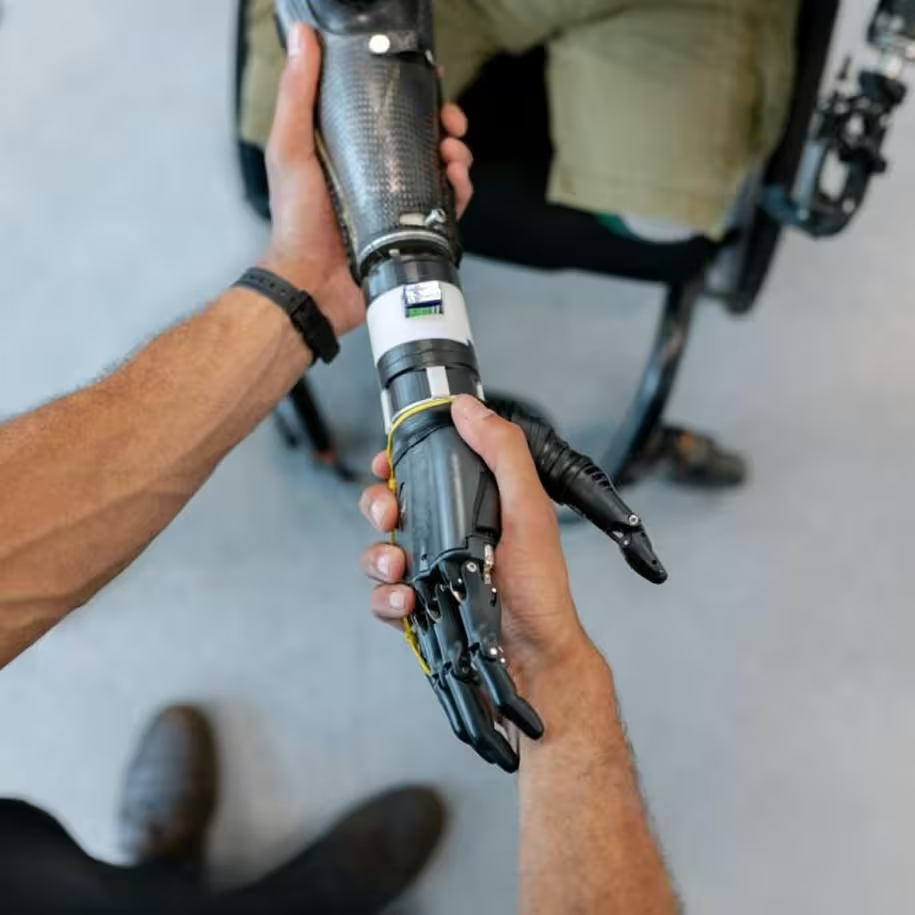
Bionic Prosthetics
Restoring natural mobility
Minimal weight, maximum strength
Personalized design options
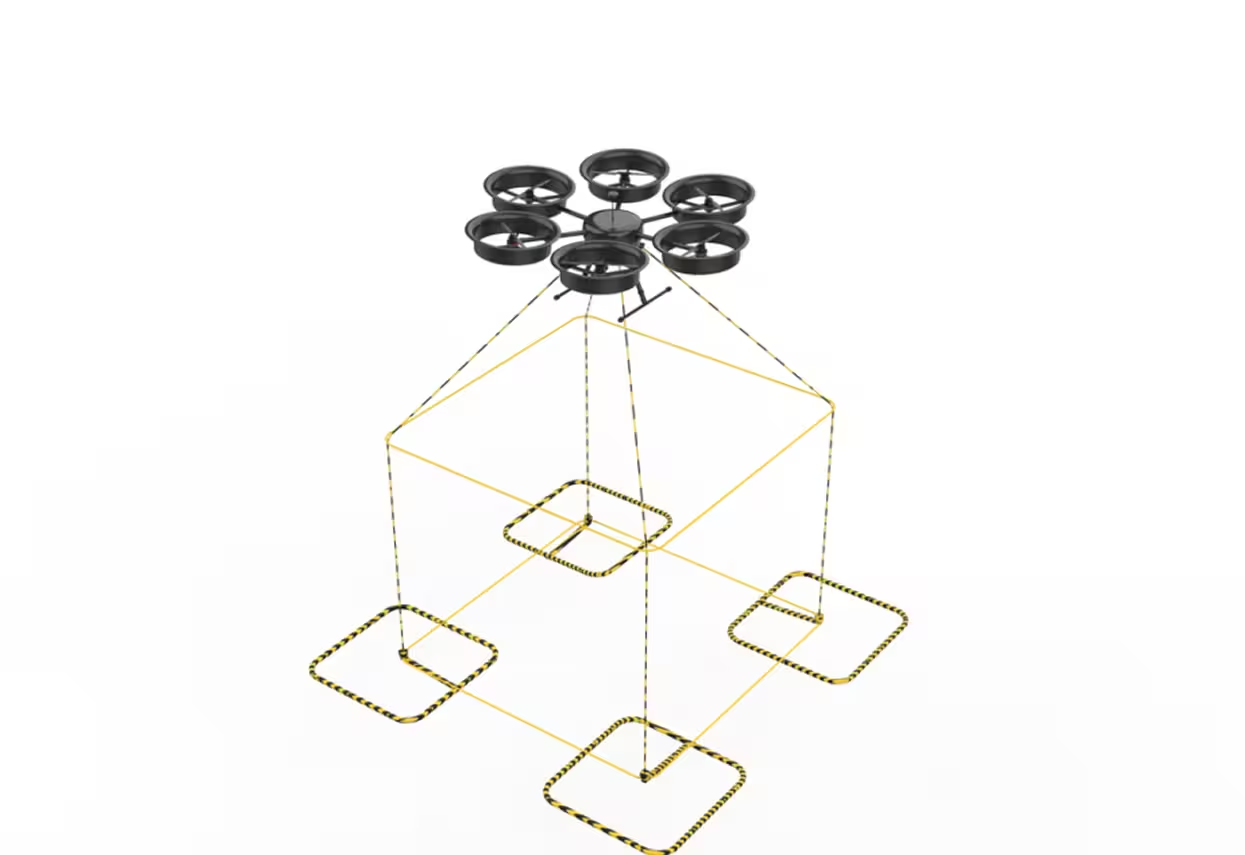
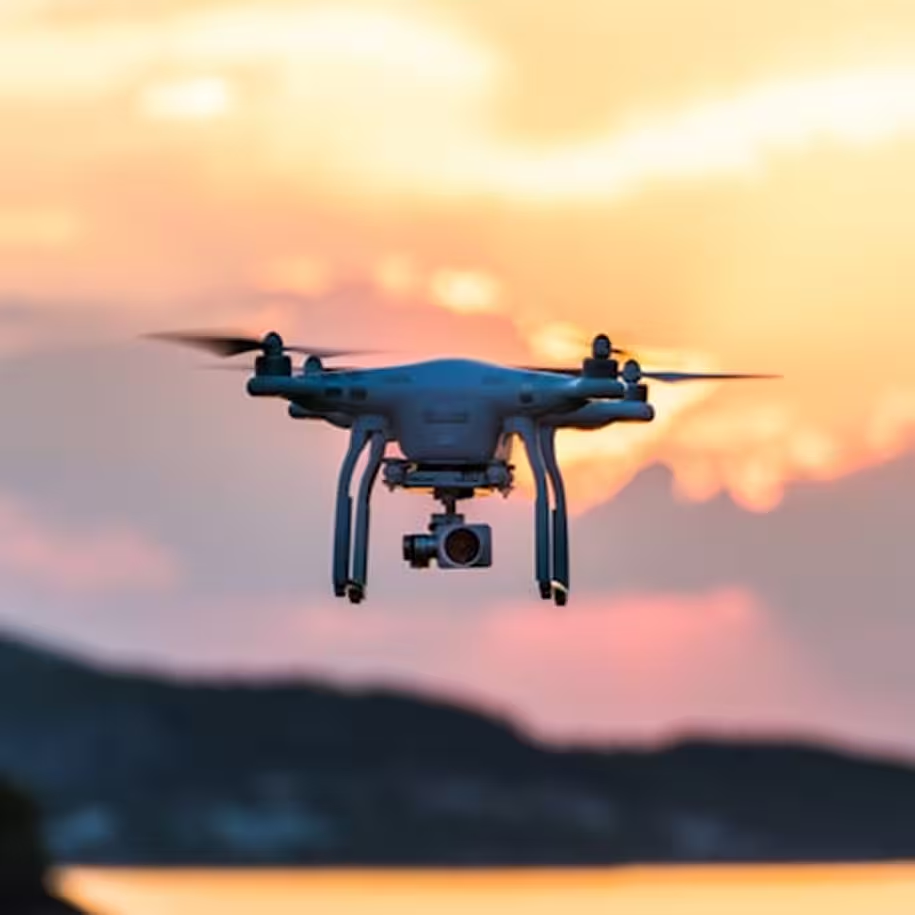
Professional Hexacopter
Maximum flight stability
High energy efficiency
Fully autonomous mission profiles
Project Gallery
Explore how our composite technologies are redefining performance across leading industries

Stay in Touch
Click to see our contact details and location
Frequently Asked Questions
The choice depends on your goals. Autoclave (Prepreg) is the benchmark for aerospace where maximum strength is required. Vacuum Infusion (OOA) is a cost-effective and fast solution for automotive and industrial parts.
Epoxy resin is the best choice for strength. Vinyl ester is ideal for marine environments (chemical resistance), while polyester is the most budget-friendly option for simple tasks.
Carbon is many times stiffer and lighter than steel or aluminum. The specific stiffness of aerospace-grade carbon can be up to 10 times higher than that of metals.
Composite modeling is far more complex than metal modeling. You must account for every layer, its angle, and thickness, using specialized failure criteria like Hashin or Tsai-Wu.